
What Is a Foot And Ankle Brace Used For?

A Foot And Ankle Brace is more than a rigid support wrapped around a painful joint. It can limit harmful movement, reduce strain, and help the ankle feel steadier during walking. Some braces protect a healing ligament after a sprain. Others support weak arches, unstable joints, or irritation caused by repetitive activity. The right design depends on the injury, foot shape, daily movement, and stage of recovery.

Dr. Lowell Weil Jr., a respected foot and ankle specialist, has emphasized, “The goal is to get patients back on their feet.” That goal requires more than choosing the tightest brace available. A properly fitted Foot And Ankle Brace should feel secure without causing numb toes, cold skin, or pressure marks. Imagine walking across a kitchen floor. Your heel should remain stable, while your toes can move naturally. Small details matter.

A brace may help control symptoms, but it does not repair every underlying problem. It cannot replace examination, rehabilitation, or appropriate footwear. Sometimes, patients wear support for too long. That can create dependence or hide worsening pain. This is an easy mistake to make. A clinician may recommend short-term use during sports, work, or uneven-ground walking. They may also adjust the brace as swelling decreases. The evidence and experience do not always provide a perfect answer for every foot. Therefore, this guide considers common uses, practical benefits, fitting concerns, and situations requiring professional assessment. The safest choice is usually the one that supports movement without forcing the foot into an unnatural position.
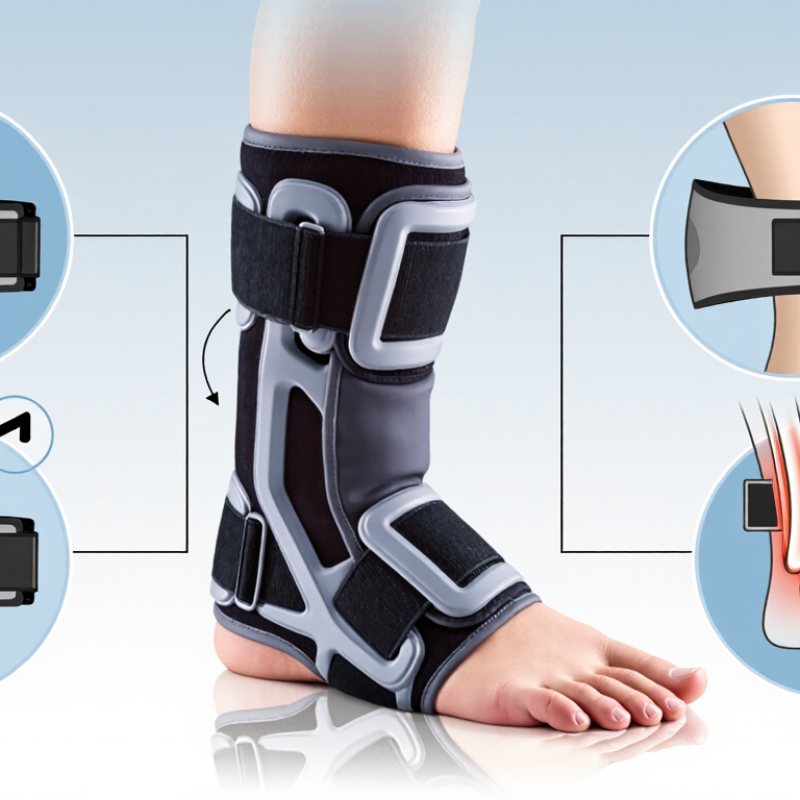
What Is a Foot And Ankle Brace Used For?

What Is a Foot and Ankle Brace?

A foot and ankle brace is a wearable support that helps stabilize the lower leg, ankle, and foot. It usually wraps around the joint with fabric, straps, laces, or a molded shell. Some designs provide gentle compression. Others restrict side-to-side motion more firmly. The right structure depends on the injury, activity, and needed level of support. The goal is controlled movement, not complete immobilization. This distinction matters.

Clinicians may recommend a brace for ankle sprains, joint instability, tendon irritation, or recovery after certain procedures. It can make walking feel steadier on uneven ground. A brace may also reduce unwanted movement during sports or daily tasks. However, it does not repair damaged tissue by itself. A healthcare professional should assess ongoing swelling, numbness, severe pain, or difficulty bearing weight. Self-treatment can sometimes delay proper care.

Fit is important. The brace should feel supportive, but not painfully tight. Toes should remain warm, normally colored, and free from tingling. Check the skin after removing it, especially around the heel and ankle bones. A poorly fitted brace can create pressure spots or change walking mechanics. I have found that “more support” is not always better. Comfort, movement, and gradual rehabilitation still matter. Follow the fitting instructions, and review the brace if symptoms change.

How Does a Foot and Ankle Brace Work?

A foot and ankle brace supports injured joints during walking, exercise, or recovery. It usually combines compression, straps, hinges, or firmer panels. These features limit excessive rolling, especially inward ankle movement. They also improve proprioception, helping you sense joint position while stepping on uneven ground. The brace does not repair torn tissue. It simply creates a safer movement boundary.

The American Orthopaedic Foot & Ankle Society reports more than 25,000 ankle sprains occur daily in the United States. Evidence reviewed in the Journal of Orthopaedic & Sports Physical Therapy supports external ankle support after acute lateral sprains. Bracing can reduce painful motion and support gradual weight-bearing. However, stronger is not always better. A rigid brace may restrict normal movement and weaken confidence if used without rehabilitation. Fit also matters. A loose brace can slide; an overly tight one may cause numbness, swelling, or skin irritation. The best choice depends on injury severity, activity, and medical assessment.

Tips: Wear the brace over a thin, dry sock. Check your toes after ten minutes. They should remain warm and normally colored. Use it during risky movement, not automatically all day. Pair support with gentle mobility and strengthening exercises. Stop if pain increases. I once thought maximum stability was ideal, but comfort and controlled movement often matter more.

What Is a Foot and Ankle Brace Used For?

A brace supports the ankle by limiting excessive side-to-side movement while helping maintain controlled motion during walking, sport, or recovery.

The chart shows approximate adult ankle range-of-motion reference values. Braces are commonly used to reduce unwanted inversion and eversion, improve joint stability, and protect injured ligaments. Actual movement restriction depends on the brace design, fit, injury, and clinical guidance.

Reference values are approximate clinical ranges and may vary between individuals and measurement methods.

What Conditions Can a Foot and Ankle Brace Help Manage?

What Is a Foot And Ankle Brace Used For?

A foot and ankle brace can help manage several conditions by limiting painful movement and improving joint support. It is commonly used after an ankle sprain, especially when swelling and instability make walking uncomfortable. A brace may also support recovery from minor fractures, tendon irritation, or ankle ligament injuries. However, the correct design depends on the condition and the stage of healing.

For people with chronic ankle instability, a brace can reduce the risk of repeated rolling during walking or sport. It may also ease symptoms linked with arthritis by reducing stress on the joint. Some braces support the arch and heel, which may help people managing plantar fasciitis or certain foot alignment problems. The support should feel firm, not numbingly tight. Toes should remain warm and flexible.

Fit matters greatly. A brace that slips can create pressure points near the heel, ankle bones, or toes. A brace that is too tight may worsen swelling. It is easy to assume more support always means better protection. That is not necessarily true. Muscles can become less active when a brace is worn continuously, although this depends on the injury and treatment plan. A healthcare professional should assess severe pain, deformity, persistent swelling, or numbness. They can recommend suitable wear time and exercises, rather than relying on a brace alone.

What Is a Foot And Ankle Brace Used For? - What Conditions Can a Foot and Ankle Brace Help Manage?

Condition or Situation How a Brace May Help Common Brace Features Typical Use Considerations Important Limitation
Ankle sprain Supports the ankle and may limit excessive side-to-side movement while the injured ligaments recover. Lace-up support, semi-rigid side panels, or adjustable straps. Often used with gradual weight-bearing, exercises, and rehabilitation as advised by a clinician. A brace does not repair a complete ligament tear or replace medical assessment.
Chronic ankle instability Provides external support and may reduce the risk of repeated rolling during activity. Semi-rigid supports, stirrup designs, or braces with figure-eight straps. May be worn during sports, uneven-ground walking, or other activities that trigger instability. Strength, balance, and proprioception training remain important for long-term management.
Achilles tendon irritation May reduce strain on the tendon by limiting certain ankle movements or slightly elevating the heel. Heel lifts, supportive ankle sleeves, or controlled-motion braces. Use should be combined with load modification and a structured rehabilitation plan. Persistent pain, sudden weakness, or a popping sensation requires prompt medical evaluation.
Plantar fasciitis A supportive design may reduce foot strain and help maintain a more neutral foot position. Arch support, cushioned footbeds, or night splints that gently hold the ankle and toes. Night splints are generally intended for rest, while daytime supports are selected for walking comfort. A brace is only one part of care; stretching, footwear changes, and activity adjustment may also be needed.
Foot drop Helps hold the foot in a safer position during walking and may reduce toe catching. Ankle-foot orthoses or dynamic supports that assist dorsiflexion. Fit and alignment should be assessed by a qualified healthcare professional. Foot drop can result from nerve, muscle, or neurological problems and requires diagnosis of the underlying cause.
Post-fracture or post-surgical recovery Can protect healing tissues and restrict movement when the treating clinician permits brace use. Adjustable walking boots or immobilizing ankle braces. Weight-bearing level, duration, and range of motion must follow the prescribed recovery plan. Do not use a walking boot or rigid brace without appropriate clinical guidance.
Arthritis-related ankle pain May improve comfort by limiting painful motion and distributing pressure more evenly. Motion-limiting braces, compression supports, or custom orthoses. The best design depends on the affected joint, pain pattern, swelling, and walking needs. Bracing may manage symptoms but does not reverse joint damage.
Swelling or mild edema Compression may help support fluid movement and provide a sense of stability. Elastic compression sleeves or graduated-compression garments. Correct sizing is essential; the support should not cause numbness, color change, or increasing pain. Sudden, one-sided, painful swelling or swelling with shortness of breath needs urgent medical attention.

General note: Foot and ankle braces are intended to support movement, improve stability, protect healing tissues, or reduce discomfort. The appropriate brace depends on the diagnosis, severity of symptoms, activity level, circulation, skin condition, and fit. Stop using a brace and seek professional advice if it causes numbness, tingling, skin damage, increased pain, or discoloration.

How to Choose the Right Foot and Ankle Brace

A foot and ankle brace can limit painful motion, improve stability, or protect healing tissue. Choosing one starts with the injury, not appearance. For a recent sprain, a semi-rigid brace can control side-to-side movement while allowing careful walking. A compression sleeve offers warmth and mild swelling control. It cannot provide strong mechanical support. The 2021 Journal of Orthopaedic & Sports Physical Therapy guideline recommends external support and progressive weight-bearing for many lateral ankle sprains, alongside rehabilitation. A brace alone is incomplete. The 2018 Cochrane review found external support lowered recurrent ankle-sprain risk, with a pooled relative risk near 0.53 versus no support. The included studies varied.

Fit matters. Measure the foot and ankle according to the manufacturer’s instructions, preferably before swelling increases. The brace should feel secure, not numb. Check the skin after ten minutes. Red marks, tingling, cold toes, or increasing pain suggest poor fit. For sports, choose a design that fits inside your shoe and permits natural toe movement. For walking recovery, adjustable straps may be more useful than a bulky shell. A clinician should guide choices after fracture, surgery, severe swelling, or persistent instability. My own practical mistake would be choosing maximum support too early; stiffness can discourage movement and weaken confidence. Some braces also slip during activity, especially over sweaty socks. That detail is easy to miss. A short trial at home, followed by gentle walking, can reveal problems before a full day outside.

How to Wear and Care for a Foot and Ankle Brace

A foot and ankle brace can limit unwanted movement, support weak joints, and reduce strain during recovery.

Proper wearing matters as much as the brace itself. Begin with a clean, dry foot and a thin, seamless sock. Place your heel fully into the rear pocket before fastening any straps. The brace should feel secure, never painfully tight. You should still move your toes comfortably.

Walk for a few minutes on a level surface. Check whether the brace slips, pinches, or creates pressure near the ankle bones. Redness that fades quickly may be normal, but lasting marks, numbness, swelling, or increasing pain need attention.

A healthcare professional should confirm the correct fit, especially after an injury or surgery. Do not modify the brace or wear it overnight unless specifically instructed.

Care keeps the support reliable. Follow its care label, and wash removable fabric parts with mild soap and cool water. Let them air-dry completely before use. Avoid radiators, dryers, bleach, and direct high heat, which can weaken padding and reshape plastic.

Inspect the seams, fasteners, and shell each day. Small cracks can become serious during a longer walk. The easy mistake is trusting a brace because it felt comfortable yesterday; swelling and activity can change the fit. Remove it regularly to inspect your skin, even when the brace seems fine.