Pre-Operative Risks
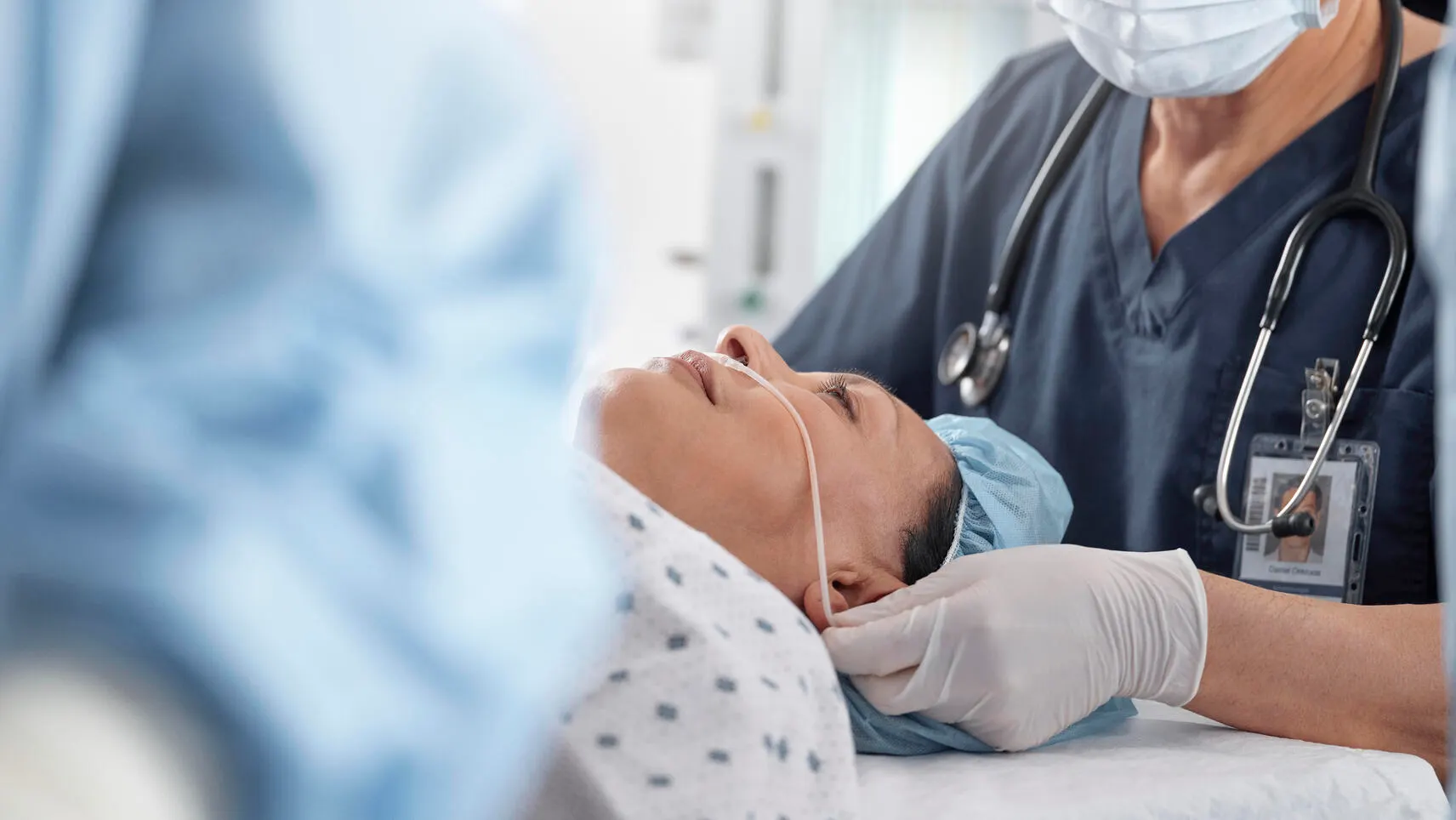
Patients with low core body temperatures before arriving in the operating room are at higher risk for remaining hypothermic during surgery, and even during recovery.5


Prevent hypothermia to support improved surgical outcomes with the latest patient warming systems.
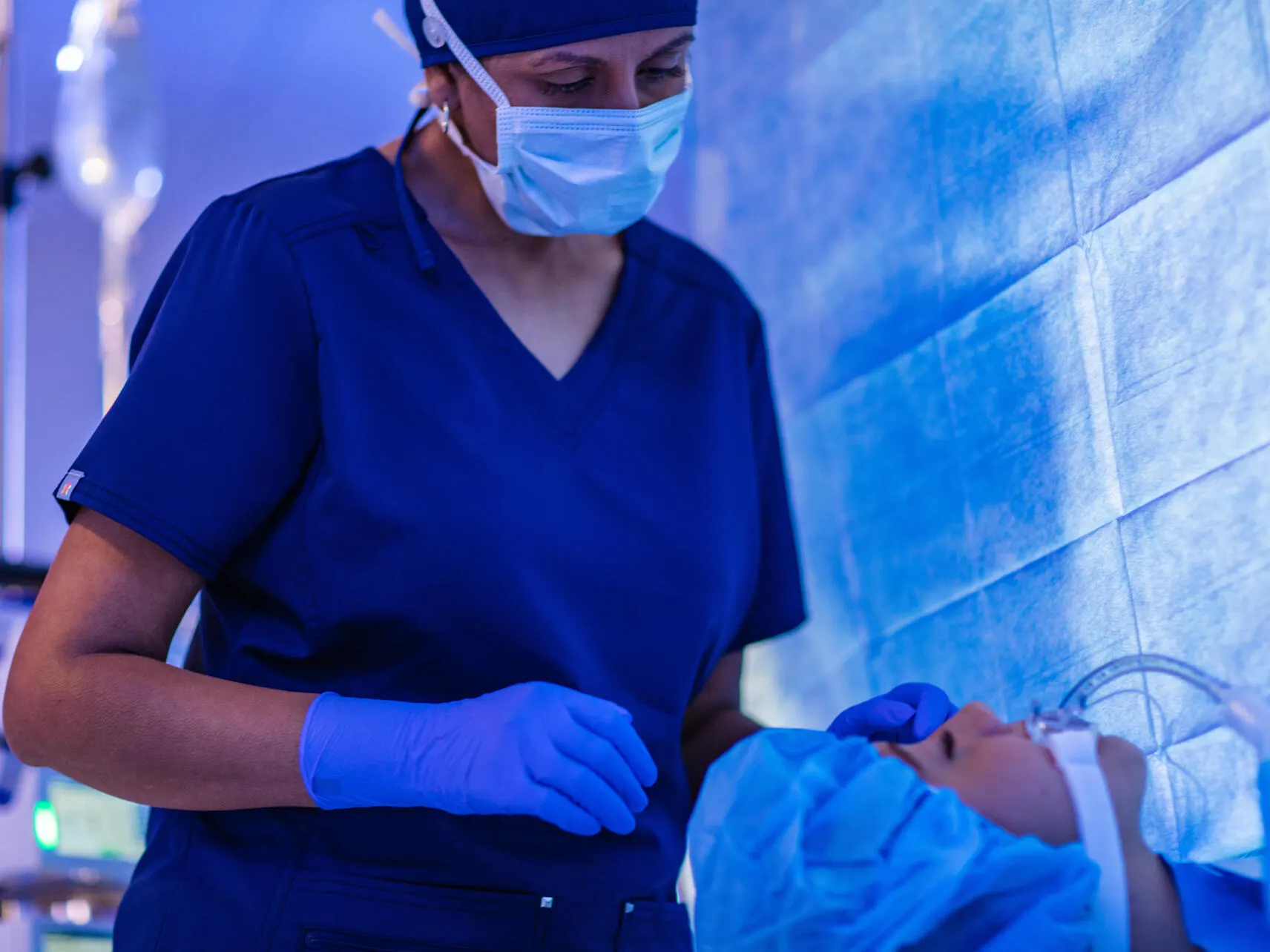
Despite best efforts, every patient undergoing surgery is at risk for unplanned drops in body temperature.1 In fact, unintentional hypothermia is one of the most common surgical complications, affecting as many as 62% of surgical patients.2 Left unchecked, this common shift outside the normothermic range can dramatically increase the risk for surgical complications3,4 — and it is associated with a variety of adverse events.5
Find out for yourself with our interactive calculator tool.
Patients with low core body temperatures before arriving in the operating room are at higher risk for remaining hypothermic during surgery, and even during recovery.5
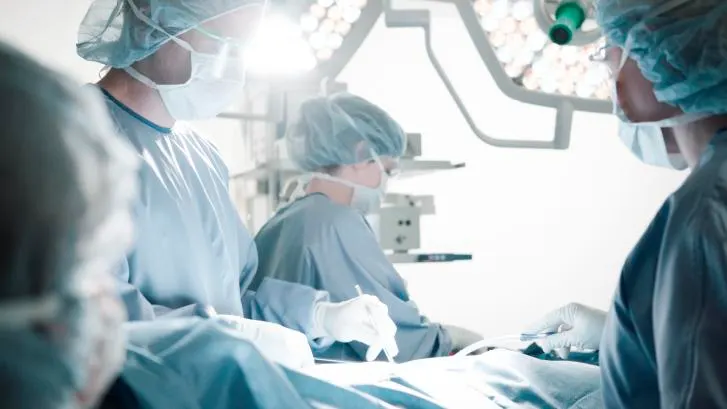
Even mild intraoperative hypothermia has been shown to increase the risk of adverse myocardial events, surgical site infections and perioperative blood loss.5

Among other complications, postoperative hypothermia is associated with longer lengths of stay, surgical site infections, postoperative blood transfusions, pressure injury and higher costs.7

Studies have shown that even a mildly hypothermic patient could suffer adverse outcomes costing as much as $2,500 - $7,000.8
Fortunately, hypothermia is preventable by maintaining normothermia with the right patient warming systems — and the cost of preventing hypothermia is often far lower than the cost of treating its adverse outcomes.8
How can you maintain normothermia to support improved surgical outcomes? It starts with a coordinated warming strategy that spans your patients’ entire surgical journey — from pre-op to intra-op to post-op care.

Normal core body temperature — typically defined as 36-38°C (96.8 – 100.4° F)1
Often defined as core body temperature lower than 36° C (95° F or 96.8° F).6
Baxter has surgical sales representatives across the entire country. Check the map for your local Baxter rep today!
AORN guidelines recommend that every patient receive some form of hypothermia prevention.9 To help maintain normothermia throughout every step of surgical care, the guidelines recommend that perioperative teams begin warming patients as soon as possible, and continue managing their core body temperature as they recover.9
The colder a patient’s periphery (arms and legs), the more heat will transfer there from their core — resulting in a colder patient.10 That’s why pre-operative warming is so important.

In a study of patients undergoing clean surgical procedures (such as breast surgeries), only 5% of pre-warmed patients developed wound infections, compared to 14% of non-warmed patients.11

Pre-warming has been associated with a lower risk of post-op hypothermia.12
Post-operative warming is also important to maintain a normothermic temperature.

Even when patients are warmed in the OR, post-operative hypothermia is still common. Continuing patient warming in post op can help a patient maintain a normothermic temperature as they recover.13

Studies have shown several ways in which patient warming improves postoperative care and recovery, including:
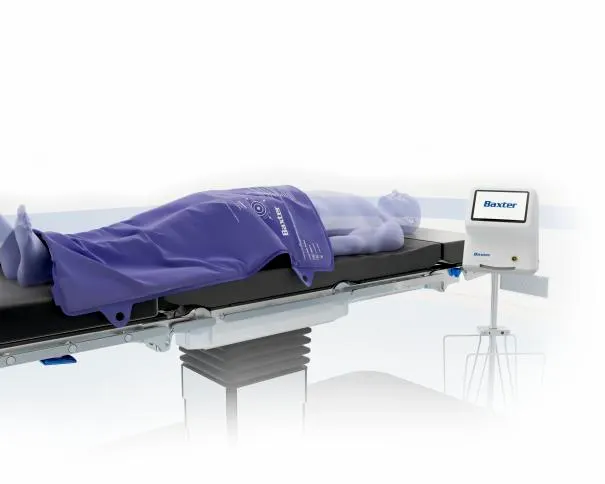
In conductive heating, warmth is transferred via physical contact with a patient warming device such as a warming blanket or heated table pad.15 In forced-air warming, air is sucked in and warmed using electric coils. A blower circulates the warm air through a blanket, warming the patient via convection.16
Conductive warming has been shown to produce several benefits over forced-air warming, including:
Conductive warming removes the need for forced-air pumps and their associated waste convective heat, decreasing potential for air contamination.
When a heating element is integrated into the table pad, warming can begin as soon as the patient comes in contact with the table — no need to wait until they are under anesthesia. Conductive fabric warming has shown significantly better patient warming rates than forced-air warming (0.35˚C/hr vs 0.01˚C/hr).17
With no disposables per case, conductive heating systems can reduce waste.
Our next-generation patient warming system uses conductive hospital warming blankets and heated table pads to quickly and effectively warm patients in any position from pre-op to intra-op to post-op care. With air-free patient warming devices, it minimizes contamination. And thanks to integration with our PST 500, TS7000 and TS7000dV surgical tables, the warming process for your surgical teams has never been simpler.
Our Patient Warming System goes beyond traditional hospital warming blankets. Discover how our air- and water-free patient warming system can help support patient safety and enhance care team workflows.

Our unique WaffleGrip Positioning System is designed to maintain normothermia in patients in the Trendelenburg position. It fits securely over our Patient Warming table pads, creating an anti-slip surface over the entire contact area. And better yet, it does all this while allowing optimal heat transfer between the warming mattress and your patient.

We’ve gathered articles that address common pain points of patient warming including:
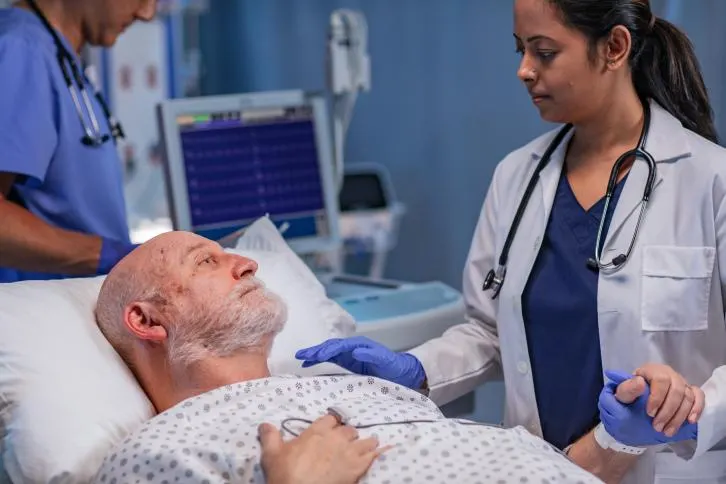
Warming Above and Below with Pre-warming Adjunct:
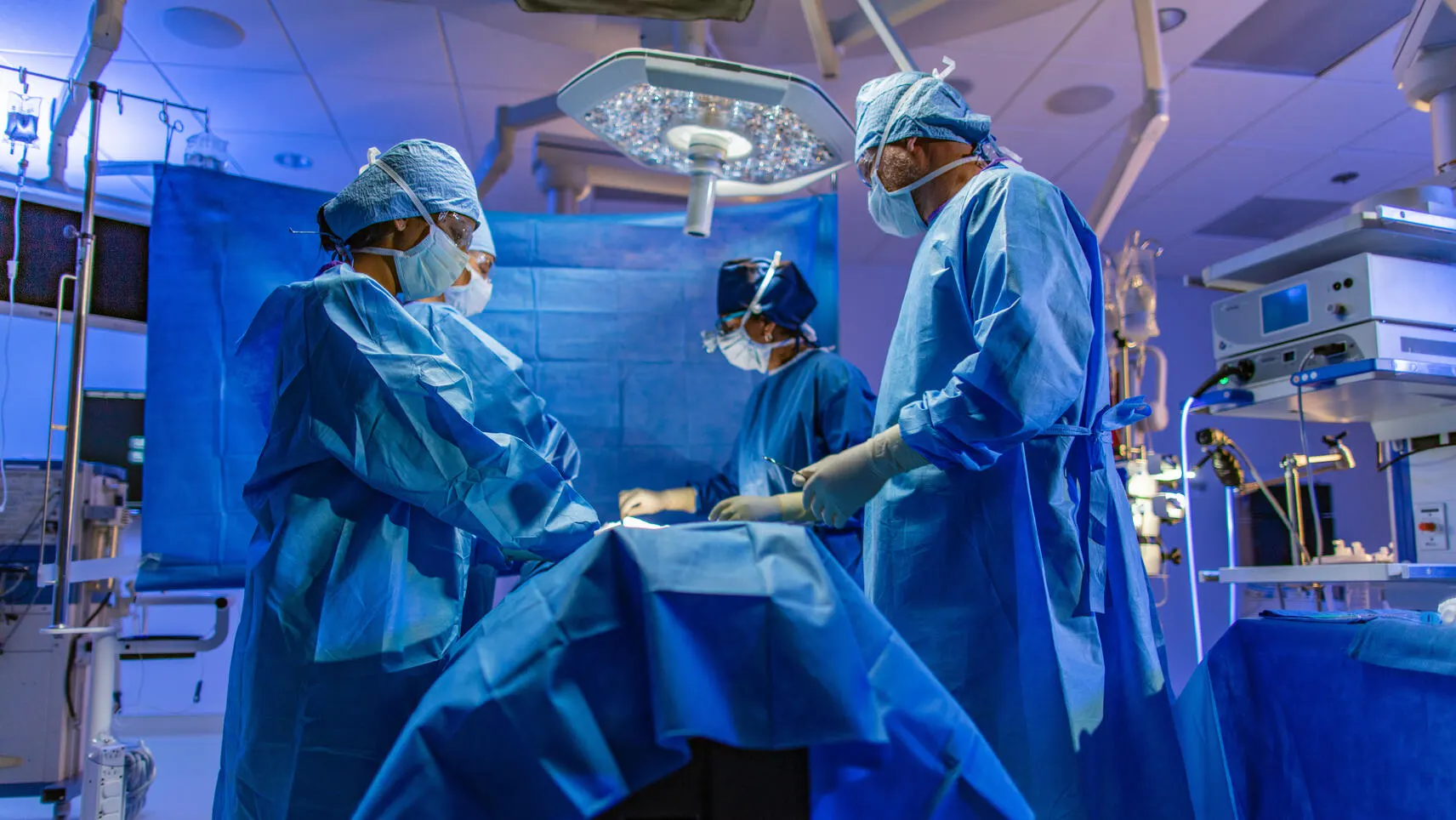
Maintaining Intraoperative Normothermia:
Effects of Preoperative Warming:
Efficacy of Prewarming With a Self-Warming Blanket:
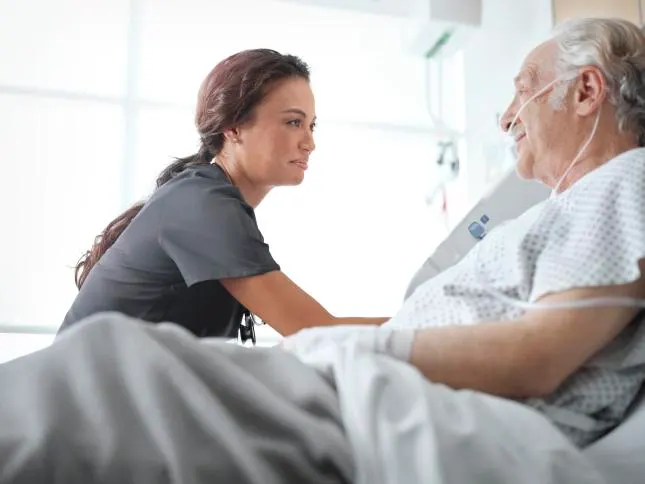
Forced-Air Warming and Resistive Heating Devices:
Let’s get started. Complete this form to talk with your Baxter representative.
Rx Only. For safe and proper use of product mentioned herein, please refer to the Instructions for Use or Operator Manual.
Baxter and Hillrom are registered trademarks of Baxter International Inc.
Wafflegrip is a trademark of Augustine Surgical Inc.