
Manage Pressure
Managing the pressure load over the contact areas of the body helps redistribute pressure away from the bony prominences where pressure injuries often occur.7


What is a Hospital-Acquired Pressure Injury?
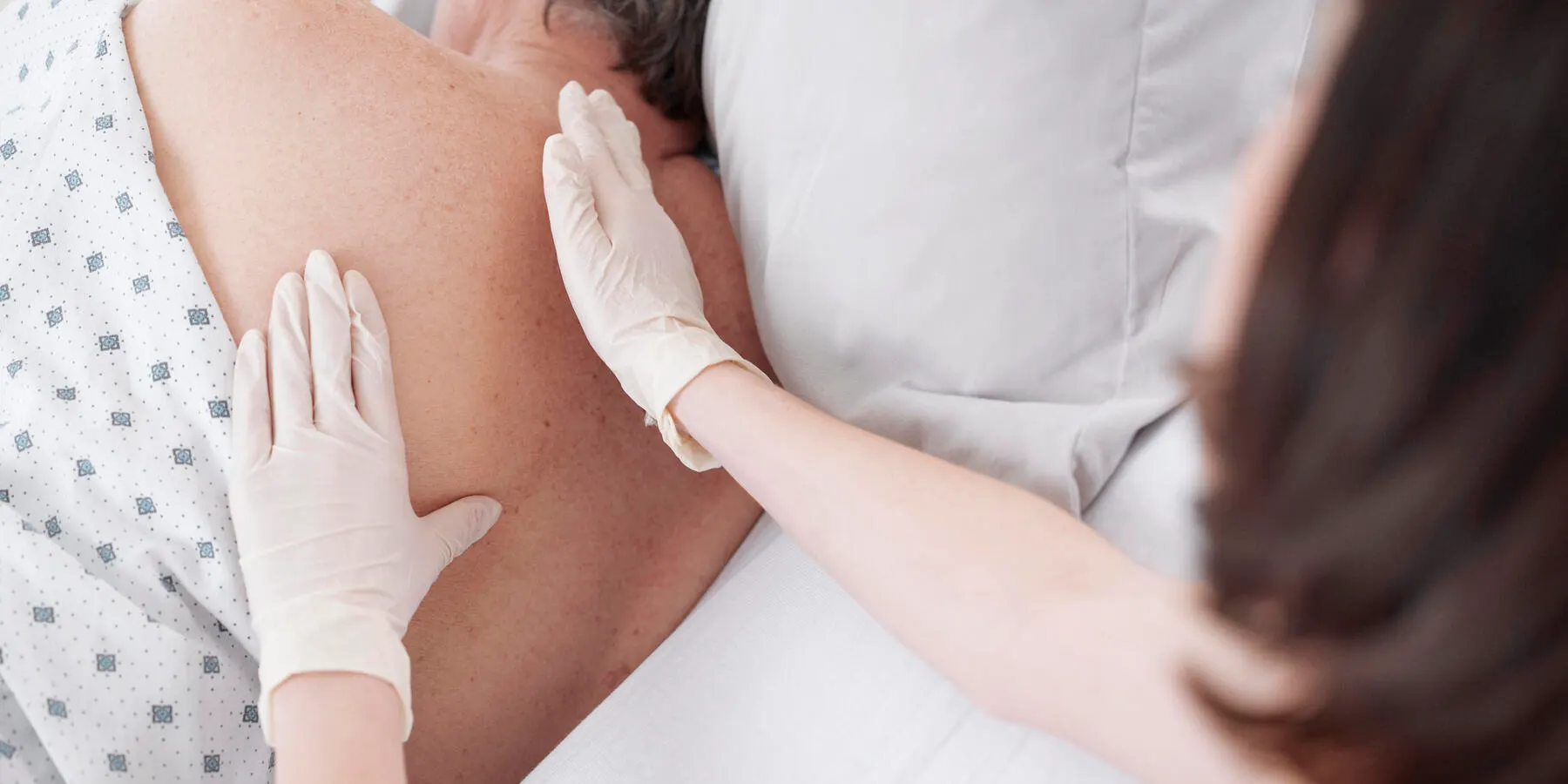
The clinical, economic and humanistic burdens are significant.
patients die from pressure injuries every year1
is spent on hospital-acquired injuries - 59% of which stem from Stage III and IV pressure injuries1
of patients reported pain stemming from these conditions, according to a community population study.2
Both environmental and patient pressure injury risk factors come into play:3
Skin status
Mobility limitations
Perfusion, circulation or oxygenation factors
Moisture
Body temperature
Nutrition limits
Sensory perception limits
Older age

Pressure injuries can be prevalent and costly.
Studies have shown that skin can be compromised in as little as 15 minutes after exposure to moisture.
of patients became incontinent, of which, 45% had IAD during their hospital stay, according to one study of adult hospitalized patients.5
Studies have shown that skin can be compromised in as little as 15 minutes after exposure to friction and moisture.4
Surface selection is an integral component of pressure injury prevention and treatment strategies. Choosing the right surface for your patient that helps manage heat, moisture, pressure, shear and friction- the leading causes of pressure injuries.3
But, not all surfaces are created equally. That's why NPIAP developed the Support Surfaces Standards (S3I) initiative to help make better informed decisions when selecting the right surface for patients.
Managing the pressure load over the contact areas of the body helps redistribute pressure away from the bony prominences where pressure injuries often occur.7

Heat accumulation on the skin increases the risk of breakdown 14x more than 1mmHg increase in pressure.6

Minimizing migration in bed is critical to helping reduce shear, which can lead to hospital-acquired pressure injuries.8
We offer a portfolio of innovative technology to deliver superior pressure and microclimate management for optimal healing and prevention – designed and validated using S3i testing standards.
Designed to prevent many of the biggest challenges in med surg, including hospital-acquired pressure injuries, Centrella+ with ReadyConnect enables care teams to optimize their workflows, while keeping patient safety top of mind. Connect your beds to your hospital’s wifi network and send nurse calls, TV and audio alerts, bed alerts, and other bed generated data to nurse call without the use of a 37-pin connector cable. ReadyConnect has a smaller footprint and is UL1069 approved.
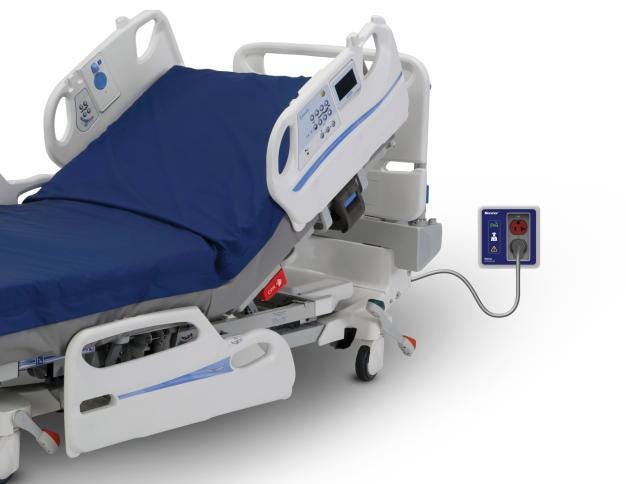
Keep your patients on the path to recovery with the right intelligence. Smart solutions for continuous monitoring of the heart and respiratory rates are designed to alert you when trends go outside of set thresholds. This can help detect a change in patient status when not on a traditional monitor and in-between vital sign checks.
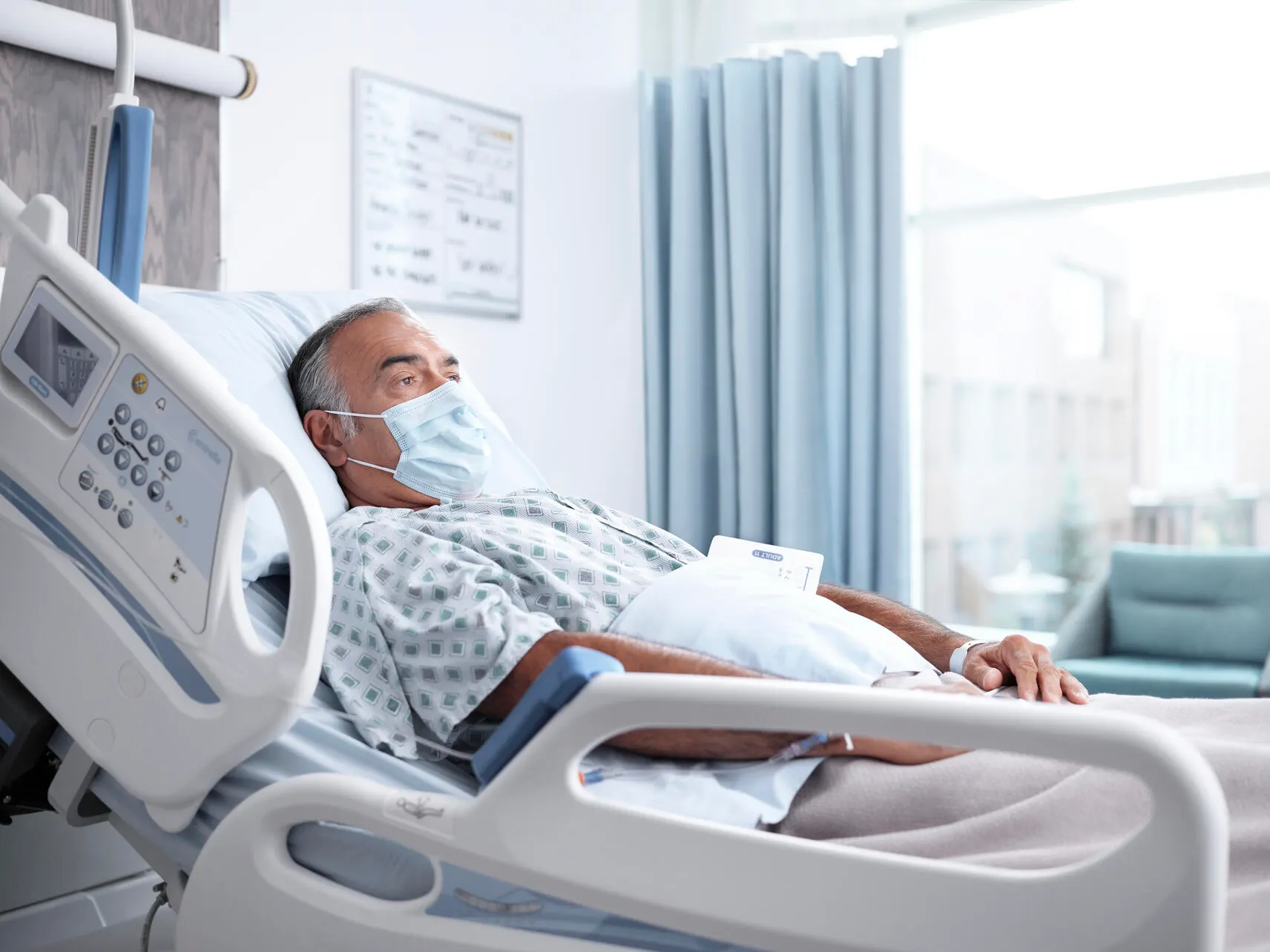
The time to replace your aging surfaces is now. Complete this form to talk with your Baxter representative about how our latest surfaces can help you maximize the value of your Hillrom Centrella beds for years to come.
Rx Only. For safe and proper use of product mentioned herein, please refer to the Instructions for Use or Operator Manual.
Baxter, Hillrom, Centrella, and ReadyConnect are trademarks of Baxter International Inc. or its subsidiaries. Any other trademarks, product names or brand images are the property of their respective owners.