Article

Five Benefits of Device Connectivity

Connecting medical devices, such as infusion pumps, patient monitoring systems and dialysis machines, to the electronic medical record (EMR) can help maximize resources while providing a pathway to critical clinical information. This article is the first of an ongoing series that looks at how medical devices and technology are coming together to help advance patient care.

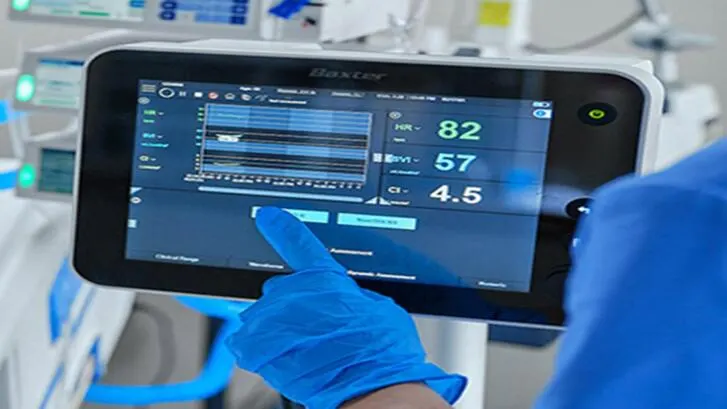
A healthcare worker in medical gloves pressing buttons on the screen of a baxter device


Some benefits of connecting medical devices to the EMR include:
1. Automating patient charting

When data flows from the device to the patient record, the nursing staff can save time. No longer transcribing notes or trying to catch up on charting at the end of the shift, staff can spend more time on direct patient care. The information is also available faster, in as close to real-time as possible. Information also tends to be more accurate, because it’s coming straight from the device, with no need for translation.

2. Managing device fleet efficiently

A fleet of devices can be located and deployed more efficiently, and the team can see exactly how devices are being used throughout different units. Knowing the location, use status, and even battery level of devices can make maximizing limited resources easier. This has become especially valuable during COVID hospitalization peaks when some medical devices are scarce.

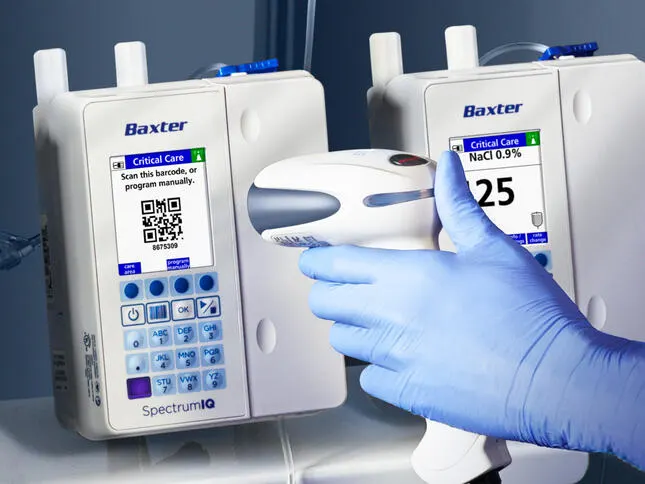
A healthcare worker in medical gloves scanning a QR code on a Baxter medical device

3. Enhancing patient safety

Establishing two-way connectivity between devices and the EMR opens new ways to implement key quality and safety measures. IV drug prescriptions can be automatically checked against the drug and dose being delivered, for example, reducing drug-related “never events.”

A healthcare worker smiles at a patient

4. Reducing waste

When every medication dose is scanned alongside the patient and the pump and then fed into the EMR, some hospitals have found that they are wasting less medication, making the pharmacy more efficient. Because every dose is tracked, there’s the added potential of reducing diversion of drugs, which is a significant compliance issue in the hospital.

5. Building a data foundation

Device connectivity is the first step to building a data foundation. De-identified data from devices can be collected and analyzed for a variety of efforts, from quality improvement programs to assessing how often patients receive a prescribed treatment.