Connected Bedside
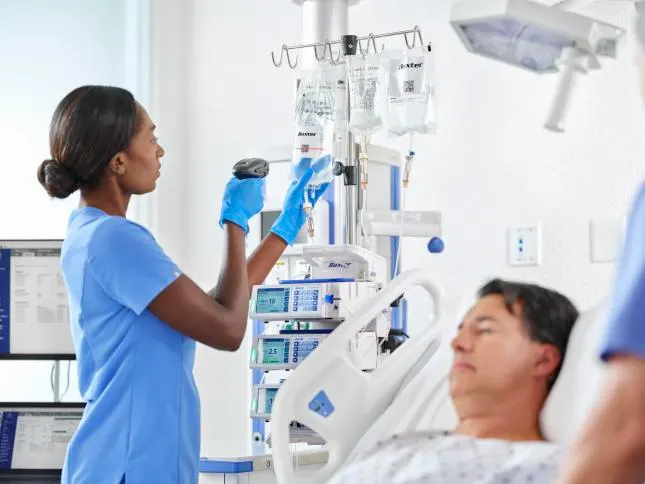
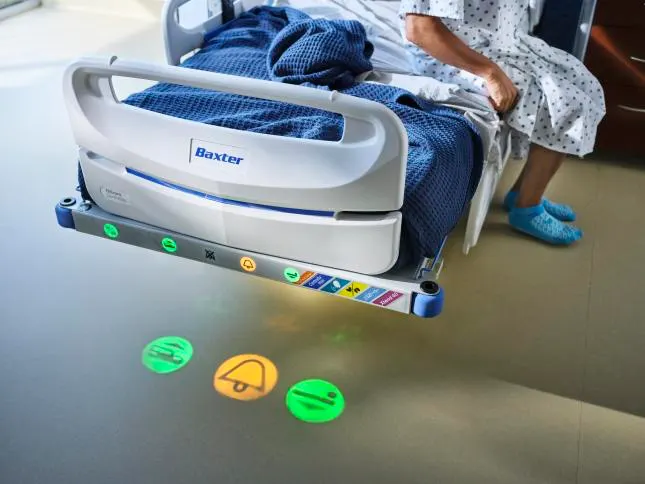
Smart beds, vital signs monitors, infusion pumps, nurse call and clinical communication systems can integrate with electronic health records (EHR) and other hospital systems.


Healthcare is at a turning point. Clinicians face growing workloads while patients expect more seamless, coordinated experiences. Yet many devices and clinical systems remain isolated, creating inefficiencies and increasing the potential for gaps in care. The future demands better connectivity.
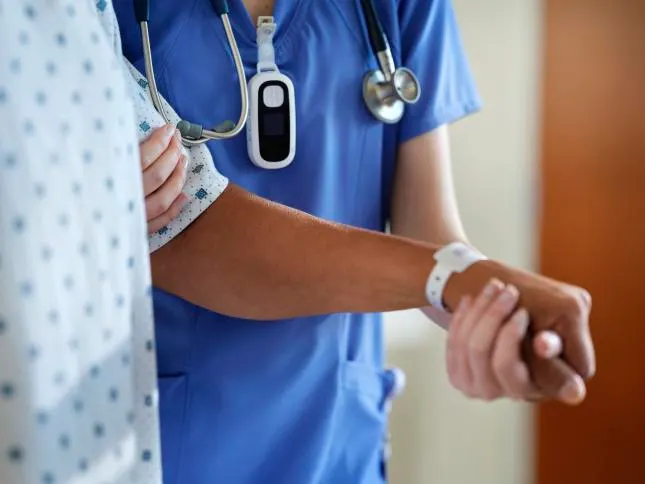
Our connected solutions help get critical information where it's needed most, providing better insight into the care being delivered across a unit, facility or entire health system.
The average patient generates at least 80 megabytes of clinical data each year, encompassing sensor readings, clinical notes, lab tests, medical images and medication lists.1
Nearly 90% of health system executives expect the expanding adoption of digital tools, connected care delivery and virtual health to influence their strategies in 2025.2
About 70% of survey respondents said that investing in technology platforms for digital tools and services will be important for their organizations.2
Working side by side with customers, we’re advancing connected solutions that enable patient safety efforts, realize staff and task efficiencies, strengthen care coordination and enhance the clinician and patient experience. Our approach unifies Baxter devices and applications onto one modern platform, with solutions focused in these areas:
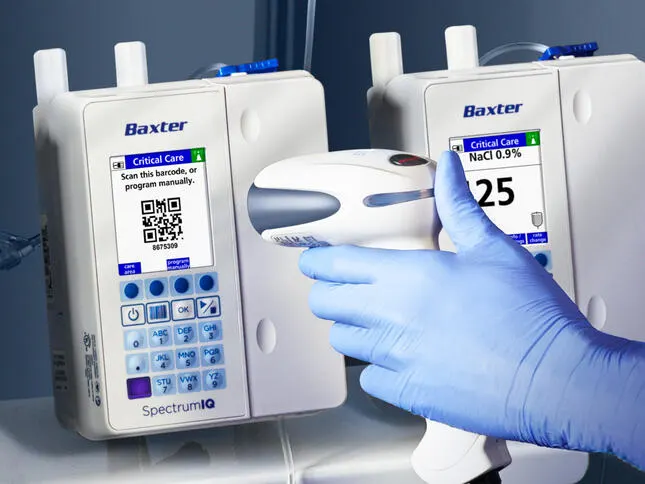
Smart beds, vital signs monitors, infusion pumps, nurse call and clinical communication systems can integrate with electronic health records (EHR) and other hospital systems.
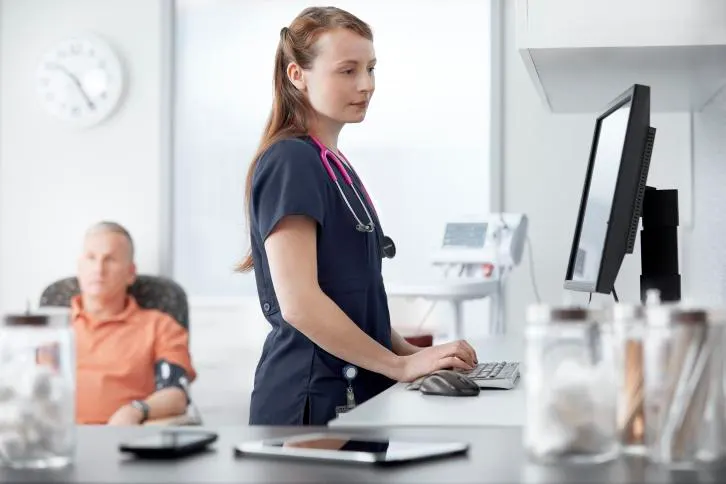
Integrate data from vital signs monitors, enhance physical exams with digital tools and deliver connected vision screenings and retinal exams.
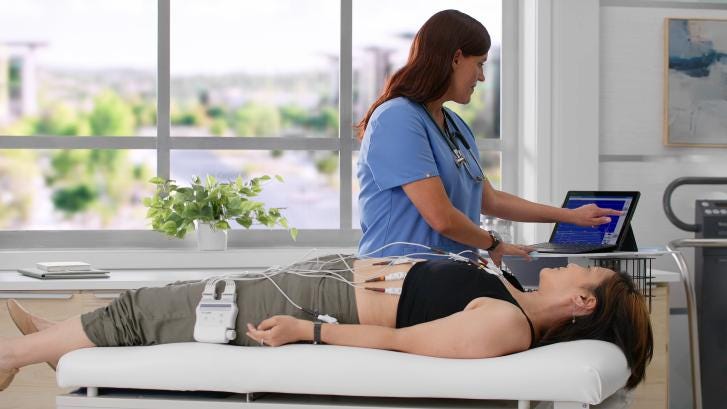
Connected cardiac care integrates data from multiple diagnostic devices and modalities, including ECG and ambulatory monitoring.
Look for a partner that will be there for the long run, and who can support you in multiple ways. A small start-up may be able to write a certain script to solve one issue, but a larger partner with broader experience can be leveraged to help address many problems — and you can be confident they will be here tomorrow, still innovating and still supporting you.
Chris Gutmann
Our connected care solutions help you deliver safe and efficient care while being scalable across your system.
By integrating our connected solutions with their established protocols, our customers can realize safety improvements that ultimately help them deliver the best patient care possible. Our solutions have helped providers minimize preventable medication errors,3,4 reduce patient falls,5 offer access to important health screenings, give anywhere, anytime access to reliable cardiac patient data6 and more.
Our solutions have helped make life easier for care teams including helping reduce time spent manually entering patient vitals,7 automating documentation in the patient chart7 and reducing time spent reconstituting medications.7
We work alongside our customers to implement connected solutions, whether it is the first connected device at a single facility or physician’s office, or an advanced integration across multiple locations. Each of our solutions is backed by our knowledgeable technical teams who support the IT team at every step of the planning and installation process.
We aim to unify Baxter devices, applications and device data onto one platform to help the IT and Biomed teams focus on meeting clinical and operational needs—not on the upkeep and maintenance of multiple gateways and connections. This helps perform faster upgrades and maintain modern software that meets the latest security standards.
Featured
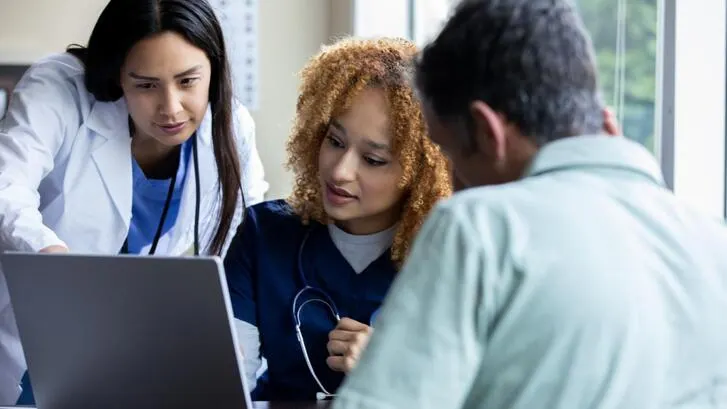
There is untapped potential to connect medical devices with an analytics engine that provides actionable insights that clinicians can use as part of their decision-making process. When you equip clinicians with data when they need it, they can achieve efficiencies and avoid potentially harmful events.
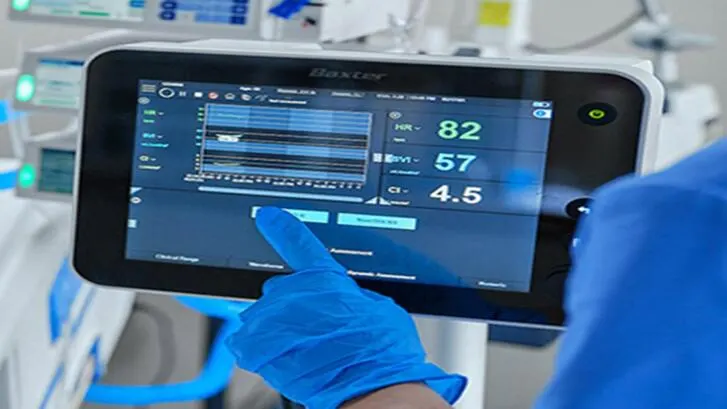
Connecting medical devices, such as infusion pumps, patient monitoring systems and dialysis machines, to the electronic medical record (EMR) can help maximize resources while providing a pathway to critical clinical information. This article is the first of an ongoing series that looks at how medical devices and technology are coming together to help advance patient care.