"COVID-19 made clear that the supply chain innovations we are implementing are essential to maintaining resiliency of our product supply," said Jim Borzi, senior vice president and chief supply chain officer at Baxter. "We have assessed every aspect of the supply chain ecosystem, created a plan A, B and C should unfortunate disruptions occur, and reimagined seemingly small details. This continuous practice improves our ability to deliver lifesaving and life sustaining products to our customers and the patients they serve."
We spoke with several leaders at Baxter about evolutions in manufacturing and supply chain processes that have streamlined manual work, decreased equipment downtime, and created actionable analytics.
Integrating AI and Machine Learning Applications to Optimize Operations
"Baxter's digital transformation includes our manufacturing facilities, where we are investing in technologies all along the process, from production to inspection and quality testing," explains A.K. Karan, Baxter's global senior director of digital transformation. "Together, these investments help get our products to customers reliably so they can provide the best care possible to patients."
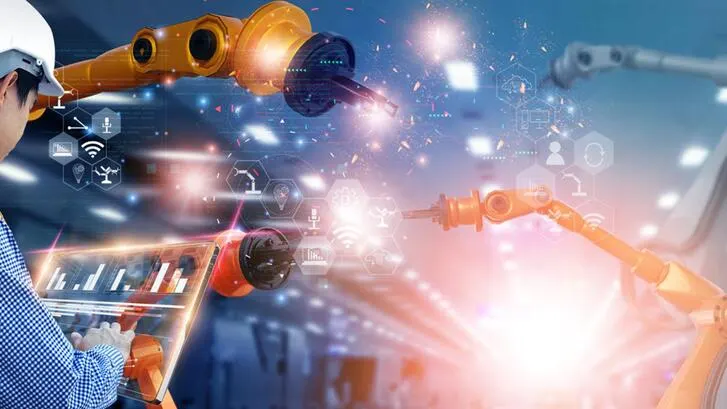
One example is the implementation of machine learning (ML) combined with special sensors that monitor machine conditions, like temperature and vibration levels. If there is an issue, the system communicates which asset is underperforming and sends an alert to the responsible technician. The combination of tracking each machine's performance regularly and being able to anticipate potential issues means a Baxter team can intervene before equipment fails, which helps maximize the amount of product that is being manufactured each day.