

ADHESION PREVENTION FOLLOWING MYOMECTOMY
Myomectomy, a surgical intervention known for its efficacy in excising uterine fibroids and mitigating the associated symptoms, is not without its challenges.1,2 Among the noteworthy complications, the formation of post-surgical adhesions stands out as a significant concern.2 These fibrous bands, which emerge between tissues and organs subsequent to surgery, have the potential to trigger a spectrum of adverse effects.2-4 Notably, they can impair fertility, provoke chronic pelvic discomfort, precipitate small bowel obstruction and complicate future surgical endeavors.5-8
This blog delves into the intricacies of myomectomy, emphasizing the critical importance of understanding and managing the risks associated with post-surgical adhesions to optimize patient outcomes and safeguard reproductive health. Ankit Patel, MD, Medical Affairs, Baxter Healthcare, will provide an overview of uterine fibroids, myomectomy and the utilization of adhesion barriers such as Seprafilm Adhesion Barrier and Adept Adhesion Reduction Solution.

Uterine Fibroids: Understanding the Basics and Surgical Interventions
Uterine fibroids (or myomas, leiomyomas) are benign tumors that grow within the muscular tissue of the uterus and are the most common pelvic tumors in women.1,2 These fibroids can vary in size and number, leading to a wide range of symptoms including abnormal uterine bleeding, usually manifesting as excessive menstrual bleeding.1 Other symptoms include pelvic pressure, urinary frequency, bowel dysfunction and low back pain.1 These benign tumors can also cause infertility and complications during pregnancy.1,2
For women experiencing symptomatic uterine fibroids, especially those suffering from heavy menstrual bleeding or fertility-related issues, myomectomy may offer a surgical solution aimed at removing fibroids, thus preserving the uterus and potentially fertility.1,2,4
Myomectomy can be performed through various approaches, including open surgery and minimally invasive laparoscopic methods.2,5 The variability in the surgical approach to myomectomy is influenced by diverse factors such as the number and size of myomas, the patient’s age and clinical conditions.9 While myomectomy may offer relief from fibroid-related symptoms and enhance fertility prospects, it comes with its own set of challenges, notably the risk of post-surgical adhesions, which can further complicate a woman's reproductive health.2,3,5 Post-surgical adhesions are distressingly common following myomectomy, resulting in significant potential morbidity.4
Proposed Causes of Adhesion Formation in Myomectomy4
- Dissection of adhesions
- Presence of intraperitoneal blood
- Introduction of a reactive foreign body
- Intra-abdominal infection
- Tissue desiccation
- Tissue hypoxia or ischemia
Post-Surgical Adhesions Following Myomectomy: Navigating the Risks
Surgical Technique
Myomectomy, while highly effective for removing uterine fibroids and alleviating associated symptoms, carries the potential for several complications.2,5 Key among these is the formation of post-surgical adhesions, which are fibrous bands that develop between tissues and organs that can lead to significant consequences including fertility impairment, chronic pelvic pain, small bowel obstruction and challenges in future surgical interventions. 2,4,5
The risk of adhesions stems largely from the nature of the surgical procedure itself, where incisions into the uterine wall to remove fibroids can provoke the body's healing process to overcompensate, leading to scar tissue formation.7 The extent of adhesion formation can vary based on the surgical approach, with open myomectomy typically presenting a higher risk compared to laparoscopic methods, due to the larger incisions and greater tissue handling involved.5 However, it should be noted that studies have shown the occurrence of adhesions was reduced after laparoscopy, but even the use of laparoscopy could not completely prevent adhesion formation.5
Adhesions can have profound impacts on fertility, complicating conception efforts.3,8 Furthermore, adhesions contribute to chronic pelvic pain and small bowel obstruction, distressing conditions that can significantly affect a patient's quality of life and potentially lead to significant morbidity and mortality.8,10 With this in mind, specific surgical techniques may be utilized to minimize adhesion formation.11-13
Procedural Pearls to Minimize Adhesion Formation11-13
- Consideration of minimally-invasive approach
- Meticulous surgical technique in compliance with microsurgical principles/gentle treatment of tissues
- Optimize hemostasis
- Reduce tissue ischemia/desiccation
- Reduce risk of infection
- Prevent thermal injury
- Prevent foreign body reaction by avoiding contaminants: powder on gloves, textile fibers, etc.
- Limit use of sutures and choose fine, nonreactive sutures
- Reduce duration of surgery
Pharmacological Agents and Adhesion Barriers
Meticulous surgical technique alone cannot eliminate the risk of adhesions because the trauma that increases the risk of adhesions is a routine part of any surgery.14 Therefore, the use of adhesion prevention/reduction agents should be considered as part of an adhesion reduction strategy.12
Adhesion Prevention: Pharmacologic Agents and Adhesion Barriers
- Pharmacologic Agents
- Consider use of appropriate pharmacological agents, weighing the risk of adhesions with the risk of off-target effects14
- Adhesion Barriers
- Consider use of approved adhesion barriers with proven clinical efficacy in gynecologic surgery15,16
- Seprafilm Adhesion Barrier in patients undergoing abdominal or pelvic laparotomy15
- Adept Adhesion Reduction Solution (4% icodextrin) in patients undergoing gynecological laparoscopic adhesiolysis1
- Consider use of approved adhesion barriers with proven clinical efficacy in gynecologic surgery15,16
Adhesion Barriers in Myomectomy: Focus on Seprafilm Adhesion Barrier and Adept Adhesion Reduction Solution
Overview: Seprafilm Adhesion Barrier and Adept Adhesion Reduction Solution
Seprafilm Adhesion Barrier and Adept Adhesion Reduction Solution are adhesion barrier products designed to reduce the incidence, extent, and severity of adhesions.15,16
Seprafilm Adhesion Barrier serves as a temporary bioresorbable barrier separating apposing tissue surfaces.15 The physical presence of the barrier separates adhesiogenic tissue while the normal tissue repair process takes place. 15 It turns into a gel within 24-48 hours and is resorbed from abdominopelvic cavity within 7 days.15 By day 28, Seprafilm Adhesion Barrier is excreted from the body. 15
Seprafilm Adhesion Barrier is indicated for use in patients undergoing abdominal or pelvic laparotomy as an adjunct intended to reduce the incidence, extent and severity of postoperative adhesions between the abdominal wall and the underlying viscera such as omentum, small bowel, bladder and stomach, and between the uterus and surrounding structures such as tubes and ovaries, large bowel, and bladder.15
Adept Adhesion Reduction Solution is a 4% icodextrin solution that acts as a hydroflotation fluid reservoir that effectively separates damaged peritoneal surfaces providing a barrier to adhesion formation.16,17Adept Adhesion Reduction Solution is indicated for use intraperitoneally as an adjunct to good surgical technique for the reduction of post-surgical adhesions in patients undergoing gynecological laparoscopic adhesiolysis.16
Both products have been clinically shown to significantly reduce the incidence of post-surgical adhesions in prospective, randomized, clinical studies.3,15-17 Their use in myomectomy not only demonstrates a commitment to surgical excellence but also reflects a deeper understanding of the long-term impacts of adhesions on patient health.18 By incorporating these advanced adhesion prevention strategies into myomectomy procedures, surgeons can offer their patients enhanced outcomes.18
Clinical Evidence: Seprafilm Adhesion Barrier and Adept Adhesion Reduction Solution
Prospective, randomized, multicenter studies underscore the effectiveness of Seprafilm Adhesion Barrier and Adept Adhesion Reduction Solution in reducing adhesion formation in gynecologic surgery. 3,15-17
In a pivotal study of Seprafilm Adhesion Barrier following myomectomy, adhesion reduction was assessed by an independent, blinded, gynecologic surgeon who reviewed videotapes of each patient's second-look laparoscopy.3 In this study, 127 women undergoing uterine myomectomy with at least one posterior uterine incision 1 cm in length were randomized to treatment with Seprafilm Adhesion Barrier or to no treatment at the completion of the myomectomy.3 The incidence, severity, extent, and area of uterine adhesions were assessed at a second-look laparoscopy.3 The incidence, measured as the mean number of sites adherent to the uterine surface, was significantly less in treated patients (4.98 ± 0.52 [mean ± (standard error of the mean (SEM)] sites) than in patients who did not receive treatment (7.88 ± 0.48 sites) as were the mean uterine adhesion severity scores (1.94 ± 0.14 versus 2.43 ± 0.10; treatment versus no treatment, respectively), mean extent scores (1.23 ± 0.12 versus 1.68 ± 0.10), and mean area of adhesions (13.2. ± 1.67 versus 18.7 ± 1.66 cm2).3 No adverse events occurred were judged to be related to the use of Seprafilm Adhesion Barrier. In this study, Seprafilm Adhesion Barrier significantly reduced the incidence, severity, extent, and area of postoperative uterine adhesions following myomectomy (Figure 1).3
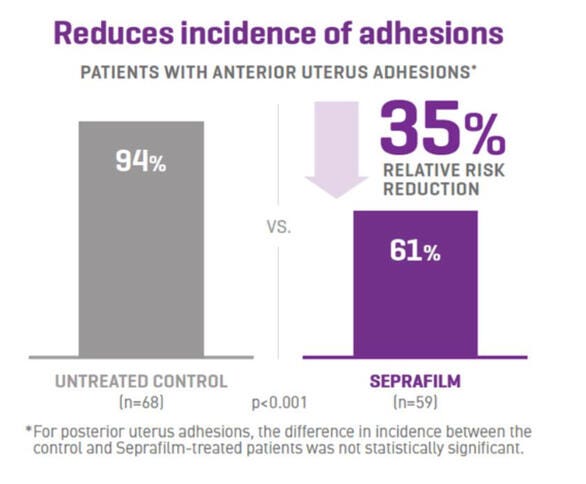
Figure 1. Seprafilm Adhesion Barrier Reduces the Incidence of Adhesions Following Myomectomy3
Similarly, in the pivotal study (PAMELA) for Adept Adhesion Reduction Solution, the object was to evaluate the efficacy in reducing adhesions after laparoscopic gynecologic surgery involving adhesiolysis as compared to lactated Ringer’s solution (LRS).17 The methodology involved initial adhesion scoring and follow-up laparoscopy 4–8 weeks later, assessing the presence, extent, and severity of adhesions, with clinical success defined as a reduction in adhesions of at least 3 or 30% of sites lysed.17 Results demonstrated a significant reduction in adhesion formation with Adept Adhesion Reduction Solution as compared to LRS, with 49% of the Adept Adhesion Reduction Solution patient achieving clinical success versus 38% in the LRS group. 17 Safety profiles were similar between both groups, indicating Adept Adhesion Reduction Solution is an effective and safe option for reducing adhesions following gynecologic surgical procedures.17
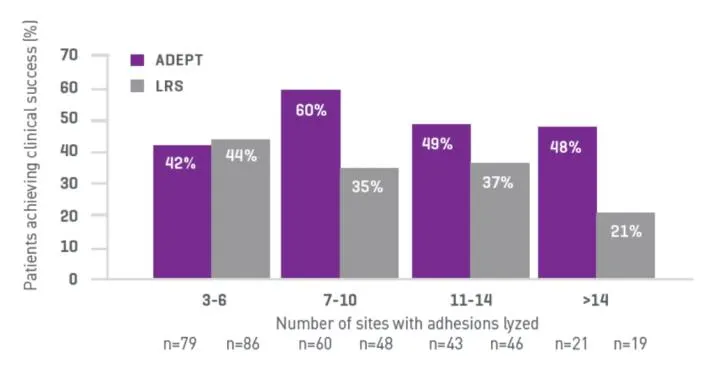
Figure 2. Clinical Success of Adept Adhesion Reduction Solution versus Lactated Ringers in the PAMELA Study17
Conclusions: Enhancing Outcomes Through Adhesion Prevention
This blog underscores the multifaceted approach to managing uterine fibroids through myomectomy, emphasizing the critical role of adhesion prevention in optimizing patient outcomes. Initially, we discussed the prevalence of uterine fibroids and the imperative for surgical intervention, highlighting myomectomy as a preferred treatment for symptomatic relief and fertility preservation. We then delved into the complexities of myomectomy complications, particularly focusing on the challenge of postsurgical adhesions and their impact on patient health.
A multifaceted approach to the prevention of adhesions is ideal.4,12 The use of Seprafilm Adhesion Barrier and Adept Adhesion Reduction Solution are innovative products for adhesion prevention.15,16 Through evidence-based evaluation, the efficacy of these products in reducing adhesion formation following myomectomy and other gynecologic surgical procedures has been affirmed, reinforcing their significance in contemporary practice.3,15-17 In conclusion, improved myomectomy outcomes may be possible due to advancements in adhesion prevention, indicative of a transition toward enhanced patient safety that prioritizes reproductive health.18
Seprafilm Indications and Important Risk Information
SEPRAFILM Indications for Use
Seprafilm Adhesion Barrier is indicated for use in patients undergoing abdominal or pelvic laparotomy as an adjunct intended to reduce the incidence, extent and severity of postoperative adhesions between the abdominal wall and the underlying viscera such as omentum, small bowel, bladder and stomach, and between the uterus and surrounding structures such as tubes and ovaries, large bowel and bladder.
SEPRAFILM Important Risk Information
- Seprafilm Adhesion Barrier is contraindicated in patients with a history of hypersensitivity to Seprafilm and/or to any component of Seprafilm. Seprafilm Adhesion Barrier is contraindicated for use wrapped directly around a fresh anastomotic suture or staple line; as such use increases the risk of anastomotic leak and related events (fistula, abscess, leak, sepsis, peritonitis). Seprafilm Adhesion Barrier must be used according to the instructions for use. Seprafilm Adhesion Barrier is for single use only, supplied sterile and must not be re-sterilized. Every opened and unused Seprafilm pouch must be discarded. Do not use product if pouch is damaged or opened. The number of sheets used should be just adequate to cover the under surface of the abdominal wall or uterine incision in a single layer.
In patients who have ovarian, primary peritoneal or fallopian tube malignancies, Seprafilm use has been reported to have an increased risk of intra-abdominal fluid collection and/or abscess, particularly when extensive debulking surgery was required.
The safety and effectiveness of Seprafilm Adhesion Barrier has not been evaluated in clinical studies for the following: Patients with frank infections in the abdominopelvic cavity; patients with abdominopelvic malignancy; device placement in locations other than directly beneath an abdominal wall incision following laparotomy, or directly on the uterus following open myomectomy (not laparoscopic); patients with ongoing local and/or systemic inflammatory cell responses; device use in the presence of other implants, e.g. surgical mesh; patients requiring re-operation within four weeks of Seprafilm placement – during anticipated time of peak adhesion formation. Foreign body reactions have occurred with Seprafilm Adhesion Barrier.
The safety and effectiveness of Seprafilm Adhesion Barrier in combination with other adhesion prevention products and/or in other surgical procedures not within the abdominopelvic cavity have not been established in clinical studies.
The safe and effective use of Seprafilm Adhesion Barrier in pregnancy and Cesarean section has not been evaluated. No clinical studies have been conducted in pregnant women or women who have become pregnant within the first month after exposure to Seprafilm Adhesion Barrier. Therefore, this product is not recommended for use during pregnancy and avoidance of conception should be considered during the first complete menstrual cycle after use of Seprafilm Adhesion Barrier.
Long term clinical outcomes such as chronic pain and infertility have not been determined in clinical studies.
Rx Only. For safe and proper use of this device refer to the complete Instructions for Use.
Adept Adhesion Reduction Solution (4% Icodextrin) Indications and Important Risk Information
ADEPT Adhesion Reduction Solution (4% Icodextrin) Indications
Adept Adhesion Reduction Solution is indicated for use intraperitoneally as an adjunct to good surgical technique for the reduction of post-surgical adhesions in patients undergoing gynecological laparoscopic adhesiolysis.
ADEPT Important Risk Information
Adept Solution is for direct intraperitoneal administration only. NOT for intravenous (IV) administration.
Adept is contraindicated in patients with known or suspected allergy to cornstarch based polymers e.g. icodextrin, or with maltose or isomaltose intolerance, or with glycogen storage disease.
Adept is contraindicated in laparotomy, in cases involving bowel resection or repair, or appendectomy and in surgical cases with frank abdomino-pelvic infection.
There have been rare reports of sterile peritonitis following the use of icodextrin.
Leakage of Adept from port sites may lead to wound healing complications; meticulous fascial closure may reduce leakage through laparoscopic port sites post-operatively.
There have been rare reports of hypersensitivity reactions, pulmonary edema, pulmonary effusion and arrhythmia.
Anaphylaxis has been reported in a few patients.
Maltose metabolites of icodextrin may interfere with blood glucose measurement in diabetic patients who use rapid blood glucose systems that are not glucose specific.
In the pivotal study, the most frequently occurring treatment related adverse events between surgeries were post procedural leaking from port sites, labial, vulvar or vaginal swelling and abdominal distention.
Rx Only: For safe and proper use of this device, please refer to full Instructions For Use.
References
- Matthew RP, Francis S, Jayaram V, et al. Uterine leiomyomas revisited with review of literature. Abdom Radiol. 2021;46:4908-4926.
- Tsuji S, Takahashi K, Yomo H, et al. Effectiveness of antiadhesion barriers in preventing adhesion after myomectomy in patients with uterine leiomyoma. Eur J Obstet Gynecol Repro Biol. 2005;123:244-248.
- Diamond MP, et al. Reduction of adhesions after uterine myomectomy by Seprafilm membrane (HAL-F): a blinded, prospective, randomized, multicenter clinical study. Fertil Steril. 1996;66:904-910.
- Decherney AH, Chang WY, Marin CM. Preventing adhesions after abdominal myomectomy: tools and techniques. Obg Management. 200;15:18-37.
- Hermann A, Torres-de la Roche LA, Krentel H, et al. Adhesion after laparoscopic myomectomy: incidence, risk, factors, complications, and prevention. Gynecol Min Invas Ther. 2020;9:190-197.
- Sardo AD, Mazzon I, Bramante S, et al. Hysteroscopic myomectomy: a comprehensive review of surgical techniques. Hum Reprod Update. 2008;14:101-119.
- Diamond MP, Burns EL, Accomando B, et al. Seprafilm Adhesion Barrier: 1) a review of preclinical, animal, and human investigational studies. Gynecol Surg. 2012;9:237-245.
- Okabayashi K,,et al. Adhesions after abdominal surgery: a systematic review of the incidence, distribution and severity. Surg Today. 2014;44:405-420.
- Cianci S, Gulino FA, Palmara V, et al. Exploring surgical strategies for uterine fibroid treatment: a comprehensive review of literature on open and minimally invasive approaches. Medicina. 2024;60:64.
- Ten Broek RPG, et al. Bologna guidelines for diagnosis and management of adhesive small bowel obstruction (ASBO): 2017 update of the evidence-based guidelines from the world society of emergency surgery ASBO working group. World J Emerg Surg. 2018;13:24.
- Mettler L. Pelvic adhesions: laparoscopic approach. Ann NY Acad Sci. 2003;997:255-268.
- DeWilde RL, Brölmann H, Koninckx PR, et al. Prevention of adhesions in gynaecological surgery: the 2012 European field guideline. Gynecol Surg. 2012;9:365-368.
- Rajab TK, Ahmad UN, Kelly E. Implications of late complications from adhesions for preoperative informed consent. J R Soc Med. 2010;103:317-321.
- Hassanabad AF, Zarzycki AN, Jeon K, et al. Prevention of post-operative adhesions: a comprehensive review of present and emerging strategies. Biomolecules. 2021;11:1027.
- Seprafilm Adhesion Barrier Instructions for Use.
- Adept Adhesion Reduction Solution [4% Icodextrin] Instructions for Use.
- Brown CB, Luciano AA, Martin D, et al. Adept (icodextrin 4% solution) reduces adhesions after laparoscopic surgery for adhesiolysis: a double-blind, randomized, controlled study. Fertil Steril. 2007;88:1413-1426.
- DeWilde RL, Trew G. Postoperative abdominal adhesions and their prevention in gynaecological surgery. Expert consensus position. Part 2 - steps to reduce adhesions. Gynecol Surg. 2007;4:243-253.