Healthcare technology innovation is changing how care is delivered, measured, and experienced. A nurse can review a patient’s vital signs on a ward dashboard. A rural clinic can consult a specialist by video. These tools may reduce delays, but they do not improve care by themselves. Their value depends on thoughtful design, reliable evidence, and the people expected to use them.
Physician and researcher Dr. Eric Topol has written, “The future of medicine is the future of technology.” His observation points to a practical question: how can new tools help clinicians make better decisions without making care less personal? Artificial intelligence, connected devices, and electronic records can support diagnosis and coordination. They can also introduce errors, widen access gaps, or add clicks to an already crowded workday. The details matter.
This article explores why healthcare technology innovation matters, where it can make a meaningful difference, and what responsible adoption requires. It considers patient safety, data privacy, accessibility, and the need for clear clinical evidence. A useful system should fit the workflow, not simply look impressive in a demonstration. That sounds obvious. Yet it is often missed. Technology can help patients track blood pressure at home or help care teams spot changes sooner, but outcomes depend on training, infrastructure, and follow-up. Progress is real, though uneven. A promising tool may still fail in a small clinic with limited connectivity. Looking closely at those limits is part of understanding innovation—not a reason to dismiss it.
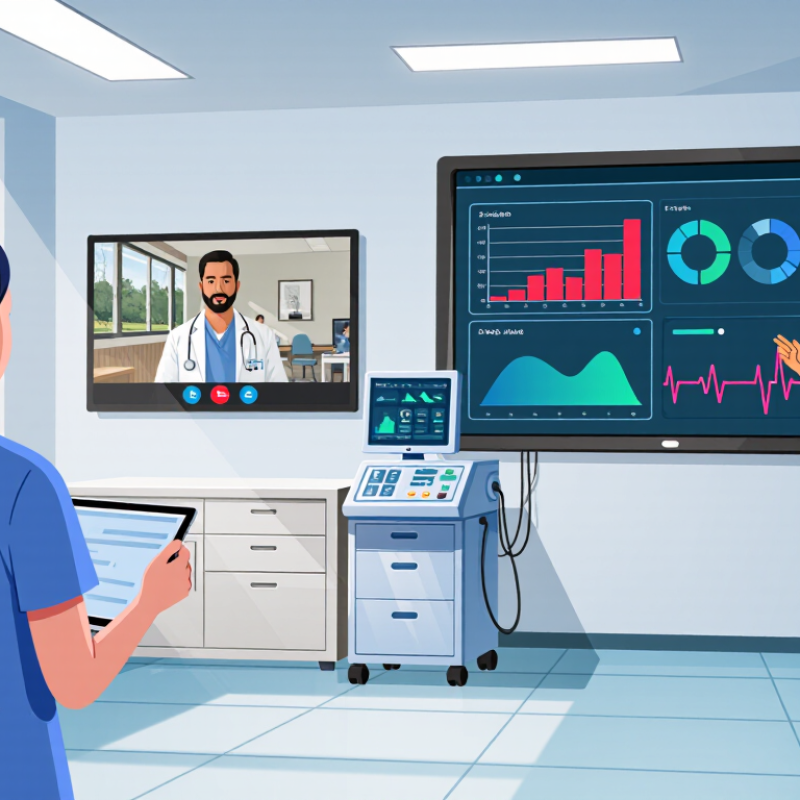
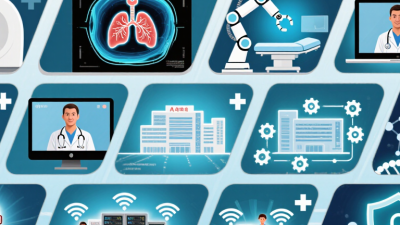
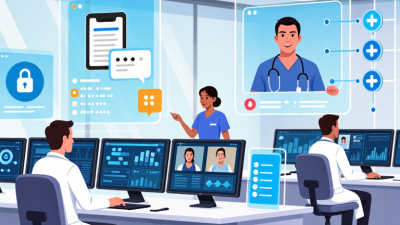
Healthcare technology innovation includes the tools that help clinicians collect, share, and act on health information. Electronic records and interoperable data systems can reduce repeated questions and make test results available across care settings. Telehealth adds video visits and secure messaging, while remote-monitoring devices can send readings such as blood pressure or glucose from a patient’s home. Clinical decision-support software and artificial intelligence may flag patterns for review, but they should support—not replace—professional judgment.
Adoption is already visible: a National Center for Health Statistics report found that 37% of U.S. adults used telemedicine in 2021. That matters. Yet innovation is not just a screen or device. It also includes accessible design, staff training, cybersecurity, and clear workflows for responding to incoming data. The World Health Organization’s global digital health strategy stresses that digital tools should support equitable, people-centered health systems. In practice, a remote reading is useful only if someone can interpret it and follow up. A dashboard can look impressive and still add work. That is easy to miss. Health systems should test whether a tool improves care for different patients, including those with limited connectivity or digital skills.
Healthcare technology matters most when it changes a clinical decision, not merely adds another screen. In Sweden’s 2023 MASAI trial, published in The Lancet Oncology, AI-supported mammography detected 20% more cancers than standard screening among 80,033 women. Radiologists’ reading workload also fell by 44%. That is meaningful. Yet more detection does not automatically mean fewer deaths; follow-up care and access still matter.
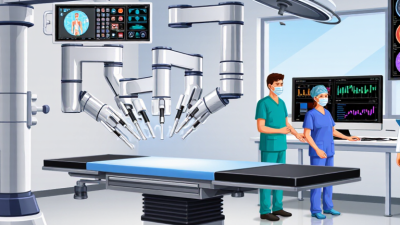
The FDA’s October 2023 list counted 692 authorized AI/ML-enabled medical devices, with 77% intended for radiology. Such tools can help clinicians spot patterns in scans, while molecular tests may reveal which treatments are more relevant to a patient’s tumor. Combined with symptoms, pathology, and patient preferences, those findings can guide treatment choices and help track response.
But technology can miss unusual cases, and incomplete records can skew its recommendations. A confident-looking result is not always a correct one. Clinicians need time to question the output, explain uncertainty, and adjust care when a patient’s response differs from the prediction.
A clinic can be an hour away by bus, and a missed shift may mean lost wages. Digital care tools can reduce that burden. A video visit lets some patients discuss follow-up questions from home, while secure messaging can handle routine concerns without another trip. That matters for people in rural areas, caregivers, and patients with limited mobility. Sometimes a phone call is enough.
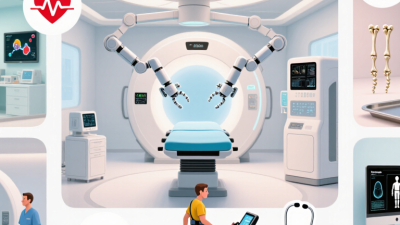
Remote monitoring can also help clinicians notice changes between appointments. A patient might record blood pressure at home and share the readings with a care team. These measurements offer useful context, but they are not a diagnosis on their own. Devices can be used incorrectly, and a weak internet connection may interrupt the process. Human review still matters.
Access is not automatic. Some people lack reliable broadband, private space, or confidence using online forms. Clear instructions, interpreters, accessible design, and an option to speak with a person can make digital services more usable. Clinics should also explain how patient information is handled and who can see it. A portal that saves time for one patient may frustrate another. That gap deserves attention.
| Access Dimension | Digital Tool | Documented Finding | How It Can Expand Access | Important Consideration | Source |
|---|---|---|---|---|---|
| Distance to care | Telemedicine consultations by video or telephone | WHO recommends telemedicine as a complement to, not a replacement for, in-person health services. | Can help people in remote areas or with limited mobility consult a health professional without making every visit in person. | Patients still need in-person assessment when clinically necessary, as well as reliable connectivity and a private way to consult. | WHO, Recommendations on Digital Interventions for Health System Strengthening (2019) |
| Global service coverage | Connected care systems and digital service delivery | WHO and the World Bank reported that about 4.5 billion people were not fully covered by essential health services in 2021. | Digital services can help extend information, follow-up, and some forms of care to underserved communities when integrated with local health services. | Technology alone cannot provide universal coverage; trained workers, affordable services, medicines, and local infrastructure remain essential. | WHO and World Bank, Tracking Universal Health Coverage: 2023 Global Monitoring Report |
| Access to health information | Mobile health messages and digital health education | WHO guidance supports targeted communication to clients through mobile devices for specific health-system purposes. | Timely reminders and health information can help people prepare for appointments, understand care instructions, and stay connected with services. | Messages should use clear, accessible language, protect privacy, and offer alternatives for people without a suitable device or connection. | WHO, Recommendations on Digital Interventions for Health System Strengthening (2019) |
| Internet access and inclusion | Online portals, telehealth platforms, and mobile health services | The International Telecommunication Union estimated that 2.6 billion people were offline in 2023. | Digital services can make care easier to reach for connected users, but their reach depends on internet access and digital skills. | Keep telephone and in-person pathways available; design services for low bandwidth, accessible use, and varied levels of digital literacy. | International Telecommunication Union, Facts and Figures 2023 |
| Continuity of care | Digital records and secure information exchange | WHO’s Global Strategy on Digital Health identifies interoperable digital systems as part of strengthening health systems. | When authorized clinicians can access relevant information across care settings, digital records can support coordination and reduce repeated information gathering. | Benefits depend on accurate records, appropriate consent and privacy safeguards, and systems that can exchange information reliably. | WHO, Global Strategy on Digital Health 2020–2025 |
| Care for people with disabilities | Accessible websites, patient portals, and assistive digital features | WHO and UNICEF estimate that more than 2.5 billion people need one or more assistive products, with access remaining limited for many. | Accessible digital services—such as screen-reader compatibility, captions, keyboard navigation, and adjustable text—can reduce barriers to finding and using care. | Digital accessibility should be tested with people with disabilities and paired with non-digital options where needed. | WHO and UNICEF, Global Report on Assistive Technology (2022) |
Takeaway: Digital tools can extend the reach of healthcare, but equitable access depends on affordability, accessibility, connectivity, privacy, and continued availability of in-person care.
Healthcare technology innovation matters because safe care depends on timely, accurate information. A clear electronic record can show allergies, current medicines, and recent test results before a clinician makes a decision. When systems share information reliably, patients repeat fewer details and care teams spend less time searching. Small delays matter. Still, a digital record cannot replace careful listening or clinical judgment.
Well-designed tools can reduce routine workload and help staff notice changes earlier. For example, a ward dashboard may flag a rising temperature beside pulse and oxygen readings. That signal can prompt a nurse to reassess the patient, not make an automatic diagnosis. Automation helps most when it removes repetitive steps, such as copying verified information into forms. Poorly tested alerts, however, can interrupt work or create alert fatigue. This trade-off deserves attention.
Tips: Keep a simple checklist: confirm patient identity, review unusual alerts, and document corrections promptly. Train staff with realistic cases, then ask where the workflow still feels awkward. Protect access to sensitive records and check that systems remain usable during outages. People still matter.
Healthcare technology innovation is important because many health systems must deliver more care with limited staff, time, and funding. The World Health Organization projected a global shortfall of 10 million health workers by 2030, concentrated mainly in low- and lower-middle-income countries (WHO, Global Strategy on Human Resources for Health: Workforce 2030, 2022). That gap is not solved by software. But practical tools can help teams use scarce time better. In a rural clinic, a shared patient record may prevent repeated questions and make medication lists easier to check. Remote consultations can also reduce travel for patients who live far from specialist services. Small improvements matter.
The OECD estimated that around one-fifth of health spending may be wasteful, including spending linked to low-value care and inefficiency (Tackling Wasteful Spending on Health, 2017). Better scheduling, clearer records, and decision-support tools may reduce some avoidable duplication, though results depend on local workflows and training. There is a catch. A system that requires extra clicks can add work instead of removing it. Staff feedback and patient access should be measured alongside speed or cost. Data can also be incomplete, and digital services may leave some people behind. These are uncomfortable limits, but ignoring them makes innovation less reliable.